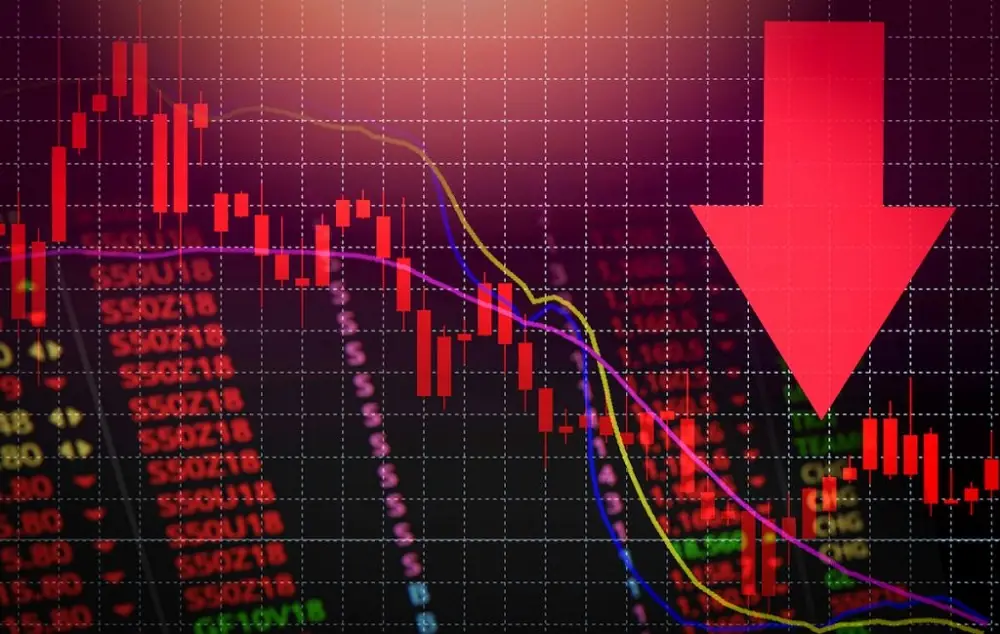
Deflation is a condition where the general level of prices for goods and services in an economy is declining. In other words, it’s the opposite of inflation. Several factors, including a decrease in demand, a decrease in the money supply, or an increase in productivity, can cause deflation.
While deflation may seem reasonable, it can be a cause for concern. You can explore the concept of deflation and why it can worry policymakers and consumers below.

Understanding Deflation
Deflation is when the cost of goods and services decreases over time. This might sound good in theory, but in reality, it can cause significant problems for consumers and the economy as a whole.
Another issue with deflation is that it can increase the real value of debt. If prices are falling, the money people owe is worth more in real terms. This can make it harder for people and businesses to pay back their debts, leading to defaults and bankruptcies.
Deflation in Practice
One of the recent most notable examples of deflation was the Great Depression of the 1930s. During this time, prices fell by over 10% annually, and unemployment rose to over 25%. Various factors, including a decrease in consumer spending, a decrease in the money supply, and a decrease in productivity, caused this deflationary spiral.
As prices fell, businesses were forced to cut back on production, which led to even more job losses and decreased demand.

Another recent example of deflation can be seen in Japan. In the 1990s, Japan experienced a prolonged period of deflation, which lasted for over a decade. During this time, prices fell, and the economy stagnated.
While Japan has since managed to exit deflation, it took significant efforts from policymakers and the central bank to achieve this.
Why Deflation is a Worry
Deflation can be a worry for several reasons. One of the primary concerns is that it can lead to a deflationary spiral. As prices drop, demand declines, which causes businesses to reduce production, which in turn triggers a loss of jobs, which lowers demand even more. The economy can stay in this cycle until it enters a deep recession.
Another concern is that deflation can increase the real value of debt, as mentioned earlier. This may make it more difficult for individuals and companies to repay their debts, which may result in defaults and bankruptcies.
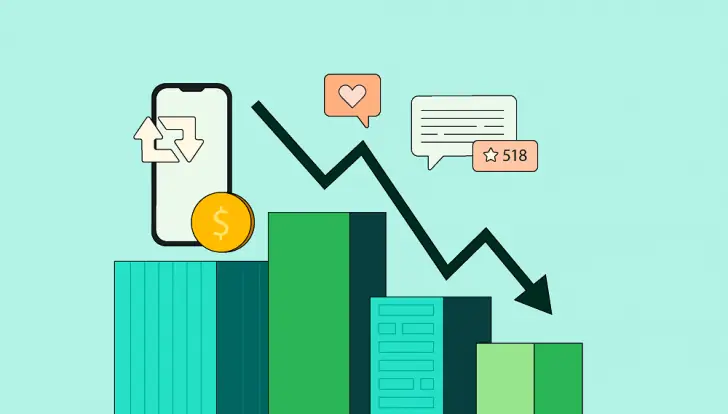
As banks and other financial institutions might have trouble recovering their loans, this could have a cascading effect on the economy.
Deflation can also make it harder for central banks to manage the economy. Central banks can lower interest rates when inflation is low to stimulate demand. However, lowering interest rates may not be enough when deflation is present. This can leave policymakers with few options to address the problem, leading to a prolonged deflation period.