Across major economies, fiscal leaders are finally doing what most households have known for generations: sometimes the smartest way to grow is to stop spending blindly and start spending wisely. This isn’t about austerity—it’s about awareness. The quiet revolution in public finance lies in realizing that budgets aren’t bottomless wells but strategic instruments that can multiply value when used well.
The IMF’s latest Fiscal Monitor makes the case plain: better allocation of funds often does more for growth than expanding the pie. That notion is catching on fast, especially in countries juggling inflation, debt, and restless electorates that have lost patience with “more spending, same results.” Governments are learning to stretch every dollar like an economist with a sharp pencil and an election to win.
Getting More Value for Every Dollar
Public spending often leaks through cracks too familiar to ignore: bad procurement, bureaucratic overlap, and slow reform. Infrastructure, healthcare, and education—each carries inefficiencies that swallow roughly a third of their funding before results even reach the public. It’s not dramatic mismanagement so much as a chronic pattern of inertia.

Even small corrections make a visible difference. Diverting just one percent of GDP toward programs that actually work can generate measurable growth. Think of a hospital that manages its supply chains properly, or a transit line that’s maintained before it breaks—those are not just savings; they’re multipliers.
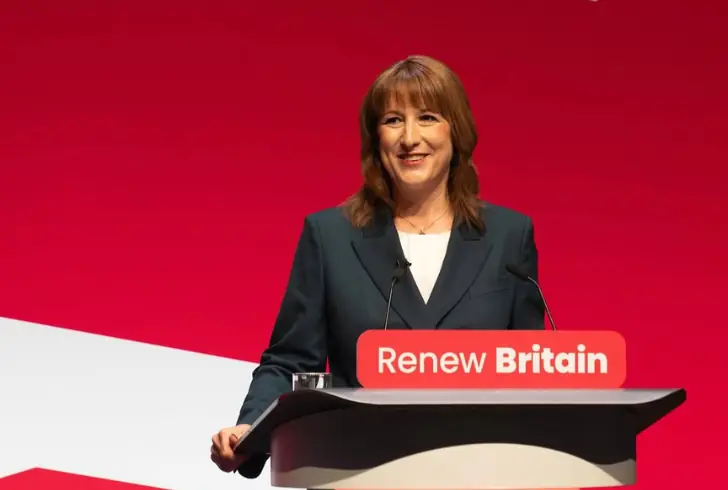
In the UK, policymakers are learning this under real strain: tight fiscal margins, restless voters, and stubborn inflation. Smart spending, in practice, isn’t austerity dressed up—it’s basic competence restored.
Taxing Smarter, Not Harder
Tax reform has long been the political equivalent of going to the dentist: everyone agrees it’s necessary, no one enjoys the process. Yet behind the spreadsheets lies a real opportunity to modernize how governments raise money without strangling growth.
The best tax systems share three virtues—simplicity, fairness, and predictability. That means trimming the maze of exemptions that benefit lobbyists more than citizens and tightening rules so that wealth is taxed on what it is, not how cleverly it’s structured. Updating property valuations, rationalizing capital gains, and closing the infamous “dividend gap” may sound dull, but they’re the gears that make fairness turn.
A Closer Look at Reform Opportunities
Some of the most creative thinking in fiscal reform is happening not in parliaments but in think tanks. Analysts at the Resolution Foundation, for instance, have suggested pairing a modest income tax rise with lower national insurance contributions—a swap that spreads the tax load more evenly without punishing work.
Likewise, property tax reform, long a political third rail, could unlock billions in underused fiscal capacity if governments dared to value homes realistically. No one likes a higher bill, but most taxpayers would trade marginal increases for a system that feels honest and consistent. That sense of fairness, not the numbers themselves, keeps a system stable.
From Policy to Practice
Drafting reform plans is the easy part; implementing them without political combustion is the real sport. Public finance isn’t managed in spreadsheets—it’s negotiated in living rooms, on talk shows, and in parliament corridors. The best fiscal architects know that communication is as vital as design. A clear plan with transparent trade-offs builds trust; a secretive one triggers panic faster than a bond downgrade.
Timing also matters. Gradual rollouts cushion shocks, especially when reforms touch essentials like energy subsidies or pensions. Done well, they create confidence. Done hastily, they invite revolt.
The Global Ripple Effect
What’s remarkable is how universal this shift has become. Governments across Europe and Asia are quietly rewriting fiscal playbooks to prioritize structure over scale. Emerging economies, too, are finding that efficient tax and spending systems attract investors faster than tax holidays ever could. In the long run, predictability is the new incentive.
Balancing Growth and Fairness

Ultimately, the purpose of reform isn’t just cleaner balance sheets—it’s credibility. People tolerate taxes when they see schools functioning, roads maintained, and hospitals stocked. Transparency, digital budget tracking, and open-data dashboards are turning fiscal management into a public performance, and that’s a good thing. Accountability breeds confidence; confidence fuels compliance.
A fair system, one that feels both competent and compassionate, is a growth engine in disguise.
The Road Ahead
Fiscal transformation is slow, unglamorous work—the kind that never trends on social media but shapes decades of stability. The real test for governments now is discipline: can they resist the reflex to pour money into popular projects and instead fund what quietly drives productivity?
Smarter resource allocation, cleaner tax structures, and open communication aren’t abstract ideals—they’re survival strategies for modern economies. Public finance, once treated as dry accounting, is turning into something livelier: a measure of how well a nation can think long-term while still keeping the lights on.
For those steering this transformation, the task isn’t balancing the books—it’s rebuilding trust, one decision at a time.