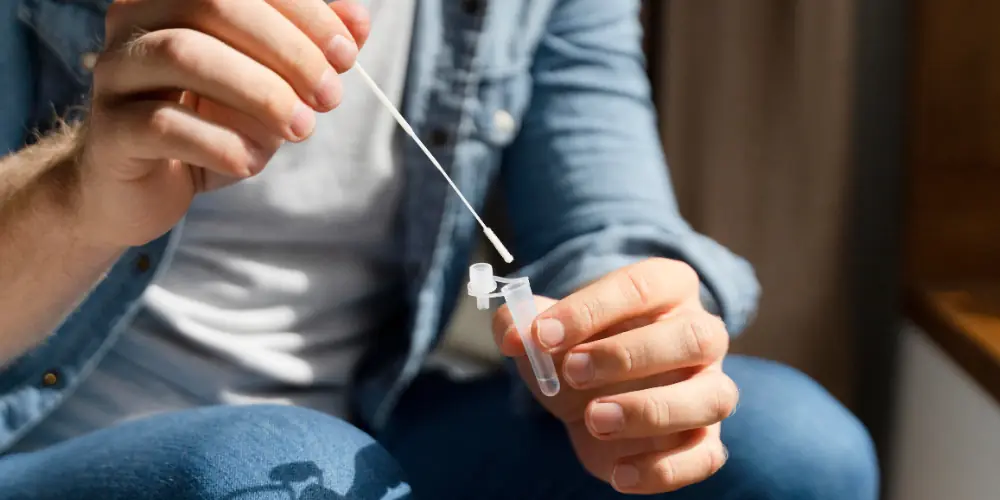
Across the UK, it’s now possible to buy health test kits straight off the shelf—everything from thyroid checks to colon cancer screenings—without setting foot in a clinic. Their speed and convenience are a draw, but new findings suggest accuracy and clear guidance are not always guaranteed. Experts say more transparency and regulation are needed to protect consumers from confusing or misleading results.
In 2023, a University of Birmingham team examined 30 of these self-testing products, costing anywhere from £1.89 to £39.99. The range covered menopause detection, vitamin level checks, HIV testing, and more.
Widespread Use, Limited Guidance
Although 24 of them claimed over 98% accuracy, most lacked solid evidence or details on how those numbers were calculated. Many users received vague or incomplete instructions, which made it harder to interpret the results correctly or understand next steps.
According to the survey, over half of these kits recommended users to consult a healthcare provider, regardless of the test results. While cautious, this advice may add to the already overburdened NHS.
Experts Push for Stricter Standards

Lead researcher Prof. Jon Deeks stressed that current regulations do not go far enough to ensure these kits are truly beneficial. “Self-tests can play a valuable role in public health,” he said, “but only if they are proven to be accurate, simple to use, and supported by proper guidance.”
The Medicines and Healthcare Products Regulatory Agency (MHRA), which monitors medical devices in the UK, noted the concerns. It confirmed that new safety standards are in development to address these gaps and improve consumer confidence.
High Accuracy Claims, Little Proof
While many kits made bold promises about accuracy, the evidence to support those claims was thin. The research found that six in ten of the products reviewed had the potential to mislead users, either in their understanding or in the actions they took afterward. Without clear, publicly available performance data, people risk false reassurance—or needless worry.
Bernie Croal, president of the Royal College of Pathologists, cautioned that unreliable testing often causes more problems than it solves. Misleading results can lead to avoidable appointments or missed diagnoses, both of which place extra pressure on the healthcare system and undermine public confidence.
Equity and Ethical Concerns
Researchers also warned about who gets left out. With self-test kits sold on a pay-at-the-counter basis, access naturally tilts toward wealthier consumers, leaving others—sometimes those most in need—on the margins. That dynamic could widen the gap in health outcomes across income levels.
The British Medical Journal, which reported on the studies, added that tying access to someone’s ability to pay—rather than clinical need—creates opportunities for exploitation, especially among communities already at risk.
A Market Set to Expand
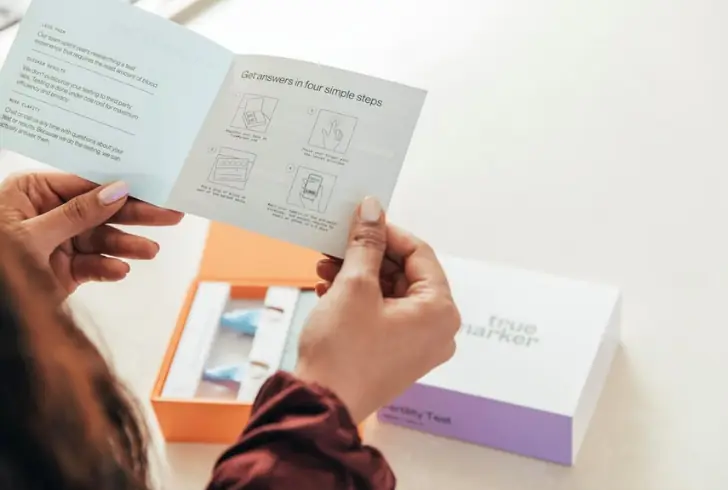
It is expected that the self-test market in the UK will expand quickly, reaching £660 million by 2030. While demand increases, so does the need for clear standards. The BMJ calls on manufacturers to share clinical performance data openly. Although current rules don’t require it, increased transparency could help users make more informed decisions.
In response, MHRA’s Head of Diagnostics, Joseph Burt, confirmed the agency is reviewing the research. He stated that one of the new transparency regulations under consideration is the requirement for published clinical summaries. Burt also reminded users to look for CE or UKCA markings and to consult professionals if uncertain about results.
Home test kits will likely remain a part of modern healthcare. But for these tools to support—not harm—users, accuracy and guidance must improve. With stronger regulations, better labeling, and public access to performance data, consumers can make smarter choices. A reliable result should come with clarity, not confusion.